
Returning to Cairns, Australia in October after spending five months on another aid mission in the Louisiade Archipelago of Papua New Guinea, Hans Ole Clemmensen said that during his time there he met only one other yacht, which was on its way to the Solomon Islands.h
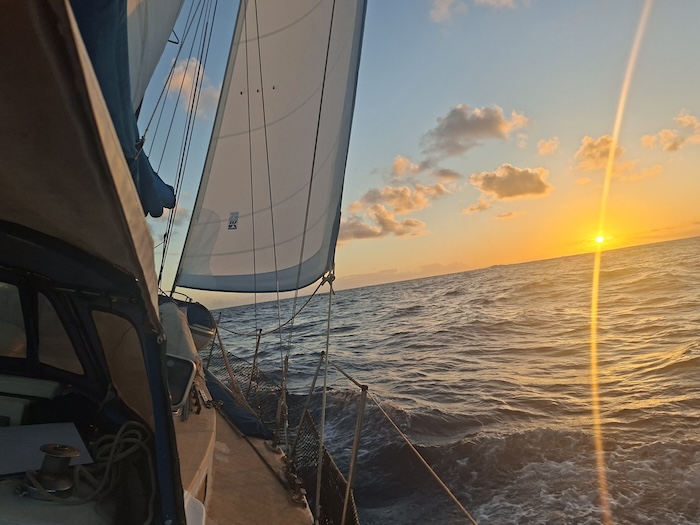
“On this trip, I brought up four boxes of antibiotics and Panadol to Nimoa Hospital, as PNG was running very low on medicines across all hospitals.
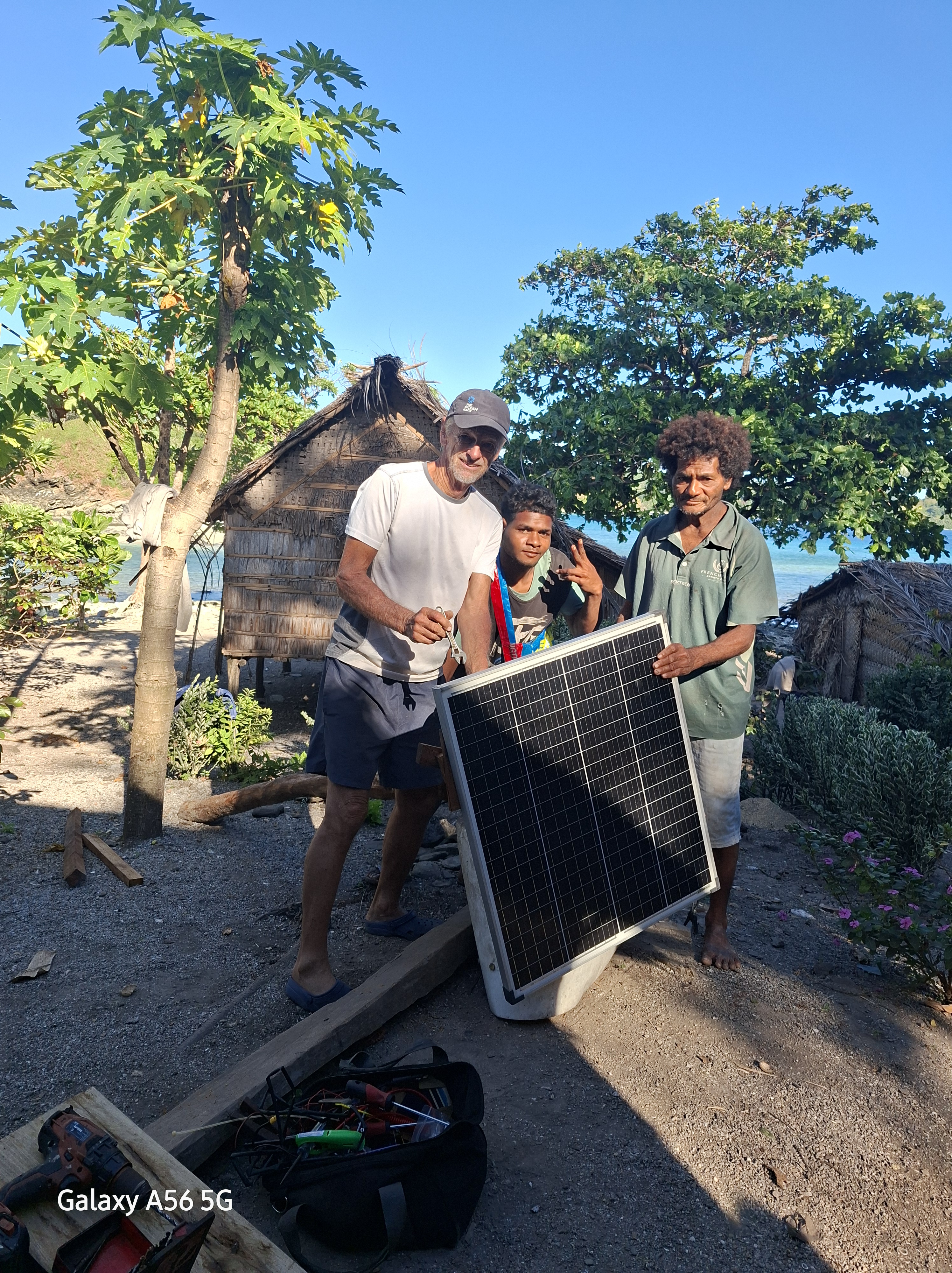
I also set up solar lights in five locations, as people are hungry for power here. Like the rest of the world, phones are everywhere, even though there is no mobile tower or internet access. Phones are mostly used for listening to music and watching movies, TV shows, or music videos.
At the Tagula Trading Store, the owner has set up Starlink, where you can buy 1GB of data for K10. He was flat-out selling data because the local phone tower isn’t working and the provider, Digicel, has not been servicing the site.
Phones and Lights
In the future, I can see my Solar Lights Project coming to an end because locals are now buying smaller solar systems with lithium batteries, which are much easier for them to upgrade or replace. They are sold fairly cheaply in Chinese shops in Misima and Alotau.
At Hobuk School, I set up lights in the Year 8 classroom, as the students were very keen on doing extra study in the evening. Mind you, I have done this before and the equipment was all stolen over the summer holidays. This year, we installed the batteries, solar panel, and regulator in the headmaster’s office—we’ll see if they leave it alone in a locked office!
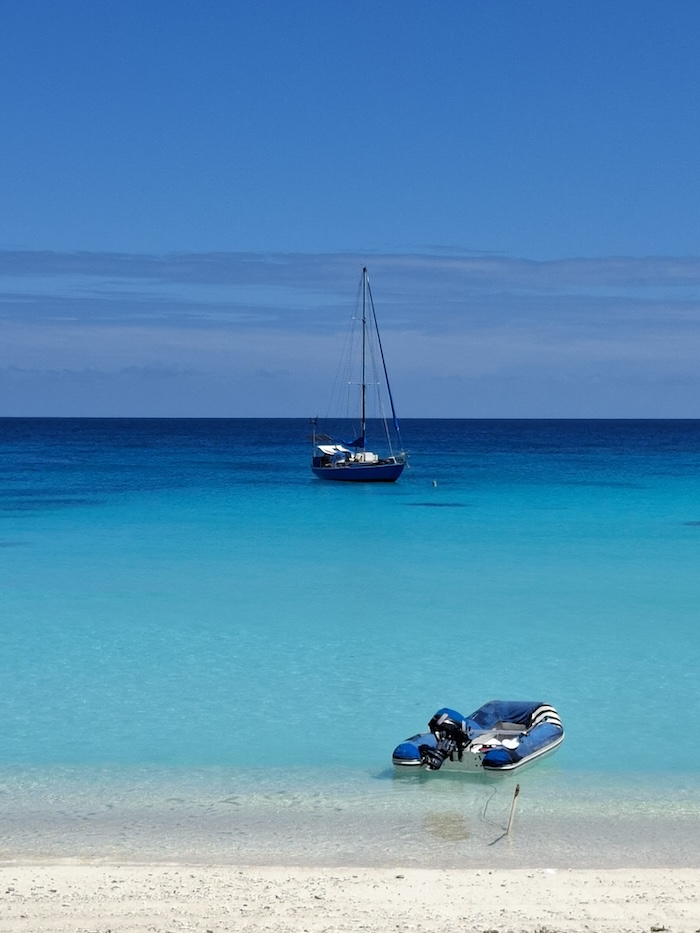
There was lots of talk about Customs and Quarantine officials returning to Misima Island now that mining giant Ok Tedi has bought the Misima Mine. I am waiting to hear an announcement on which year this will happen, which will hopefully bring more yachts to the Louisiades, as the trip from Alotau into strong southeast trade winds is not fun.
Mind you, this year we did not have any easterly winds at all, but four times we had a few days of S–SE winds, which were great for heading east along the islands. In just one day, I could make it back up to the eastern ends of the archipelago.
Fishing is Good
Fishing was also very good; I would catch up to three Spanish mackerel on every trip. For anglers on board, the Halco Laser Pro 190 (Red/White) is the go-to lure—just make sure you have a strong wire trace and 100-pound fishing line, as the fish can be up to 8kg and fight hard. Barracudas fight even harder, though I don’t eat them. The local villagers,however, will eat any fish I bring in.
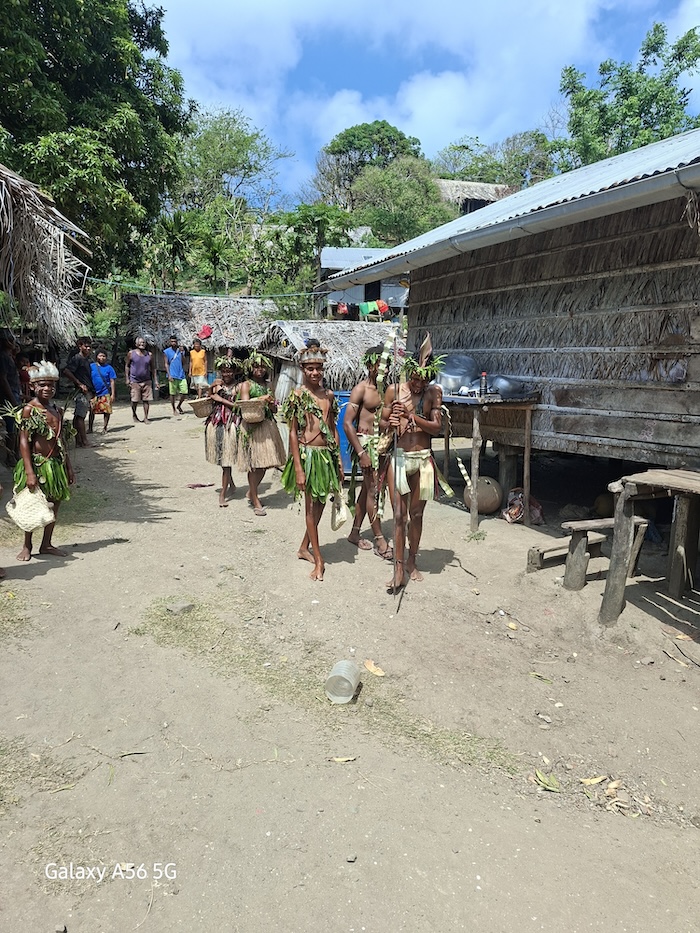
Crayfish, mud crabs, and squid make for a nice change in diet. If I feel like chicken, I can always buy or trade for one in a village. When there is a village feast, I get to eat pork with the villagers, which is a very good feed. There is no reason to go hungry around the islands, that’s for sure.
Unfortunately, the current El Niño weather pattern has caused a lot of problems. When I arrived in May 2026, everything was green after the cyclone in April. In the time I was there, we only had four days of rain to fill up my water tanks. By the time I left on October 5th, the islands were brown and water was very low in the tanks, except on a few islands that have natural springs.
Unfortunately, when I came to clear out, the Quarantine inspection set me back $1,000 because they found a few small sugar ants and two small spiders. I had to buy some surface spray and an insect bomb so we could spray the boat under Quarantine supervision.
This year’s crossing was my 50th Coral Sea crossing since 1993. I have done a couple of crossings in the Tasman Sea as well, but now I keep well clear of the Tasman because it is way too low-latitude for me.”
Hans Ole Clemmensen
SV Seagoon
………………………………
About the Author
Hans Ole Clemmensen makes regular voyages aboard his yacht SV Seagoon from Cairns, Australia, to the Solomon Islands and Papua New Guinea to set up solar power systems in a region where electricity is either not available or not sustainable.
Any crew interested in making the journey with him, or cruising boats headed that way who can help transport equipment, should contact Hans directly at svseagoon@gmail.com.
For more information on Hans’ Light Aid Project:
- Noonsite – Cruising Impact Louisiade Solar Light Project
- youtube.com/hansoleclemmensen
- https://m.facebook.com/LouisiadeSolaLightProject/
- Papua New Guinea and Solomon Islands: Sailing the Coral Sea with a “Light” Cargo
………………………………
© 2026 Noonsite. This content was edited by Noonsite. Do not reproduce without permission. All rights reserved.
The opinions expressed in this article are the author’s own and do not reflect the view of Noonsite.com or World Cruising Club.
If you have found this information useful, become a paid member to enjoy unlimited use of Noonsite plus many other perks. Your membership fees really help our small, dedicated team keep country information up-to-date in support of cruisers worldwide. Find out more about Noonsite Membership levels and benefits here.
Subscribe to our FREE monthly newsletter: https://www.noonsite.com/newsletter/
Leave a comment
You must Login or Register to submit comments.