
Red Sea Stop for SV Orpheus
Canadian sailors Jonathan Hicks and Tristan Michela have been circumnavigating the world on their Jeanneau 54 SV Orpheus for the past six years. After learning that Massawa, Eritrea was once again allowing vessels to visit to the country, they decided to break their Red Sea journey there and found a safe, relaxed and unusual and off-the-beaten-path destination.
We were happy to learn from two other sailing boats that Massawa , Eritrea was once again allowing vessels to visit to the country and so we decided to add it to our list of Red Sea stops.
And we’re glad we did. We loved Massawa! It’s a chance to see a beautiful, but dilapidated Red Sea port. We stayed only 48 hours primarily to rest but definitely stay longer and explore if you have time (we didn’t, unfortunately). The officials are friendly and courteous. The people are incredibly warm and welcoming.
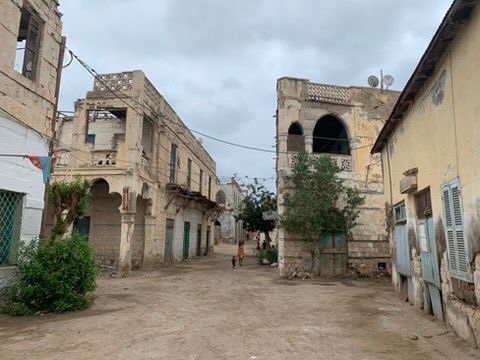
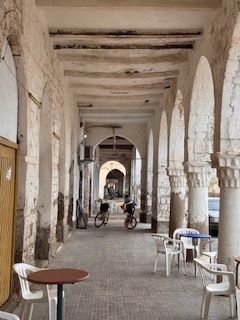
The old town features Ottoman, Italian, and Arab architecture. Many buildings are intact, but most are crumbling due to 30+ years of civil war and a lack of funds for repairs. There’s also a fair selection of bars and restaurants. The food is simple and good.
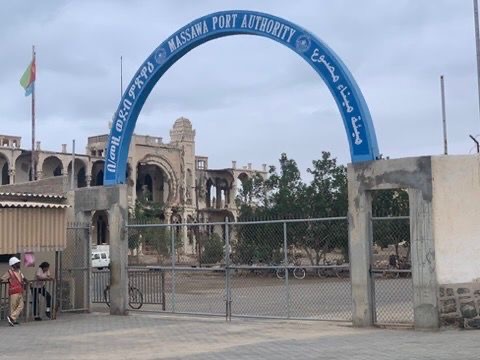
At this time, vessels are only allowed to enter the port of Massawa. All islands and other ports are off-limits, according to the Massawa Port Authority. Do not anchor en route. We were informed that there is a radar system that tracks all boats.
How to check in
One mile before the port, call “Massawa Port Control” on Ch 16. Inform them that you intend to enter the port. They will ask basic details about the boat name, crew nationality and number on board, and then direct you to come inside the port area and anchor on the north side near the outside navy dock, approximately 0.3 miles after the breakwater (do not enter the Navy bay as it’s restricted).
Once inside, the Navy will soon come to your boat for a ‘security check’ and ask a few questions. We had five individuals in t-shirts and camouflage pants. They asked about previous port, purpose, and duration of stay, etc. They were curious about why we were there. We found them friendly and courteous. They did have a look below deck, including all cabins, and opened a few floorboards. This took about 15 mins.
As it was a national holiday on the day we arrived, we were told to stay on the boat for the evening until the Port Authority, Health, and Immigration opened in the morning. In the morning, we dinghyed over to the port to clear in.
Tie your dinghy at the set of large granite steps, in between the tugs. The Port Authority, Health, and Immigration authorities operate out of one of the grey sheds just across from the dinghy landing. Someone will direct you to the right shed. The representative from the Port Authority looked at the clearance papers and returned them. We completed a two-page arrival form with crew and boat details. You can stay for 48 hours for no charge or apply for a 30-day visa for USD$70 each and some additional paperwork. We opted for 48 hours, and Immigration issued us blue shore passes.
The Health representative appeared to be there more for translation than health matters, as she didn’t ask any questions of us. And that was it. We were cleared in. No customs formalities are required. The port area is a secure facility and requires you to pass through manned gates. Carry your passport and the shore pass with you.
Once outside, you are free to explore the old town and the main city across the causeway. If interested in exploring beyond the city, you must apply for a tourist travel permit at the Tourism office. Ask at the port where this is located. We were told this takes one to two days, apparently, so plan accordingly.
Checking out
Checking out was very easy. Inform the Port Authority officials (at the security gate) of your time of departure. We were told to meet the Immigration at the same grey shed for 5-545pm. They will stamp you out. No clearance papers were issued to us and other boats that were departing, which is odd, despite asking for it.
Other things you should know
There are no ATMs anywhere. You cannot access your money or use cards! Only paper Eritrean Nakfa are accepted as currency. Bring cash in Euros, USD, or British Pounds. The local bank across from the port will exchange your money. There are also a few bars and individuals ‘on the street’ who will provide foreign exchange at a competitive rate.
For provisioning, food is cheap by Western standards. There are limited options in the old town. There are two small bakeries and a few stores with dry goods and limited fruit and vegetables. Head to the main town for more fruit and vegetable markets and stores.
Obtaining diesel requires a permit. Speak with the Port Authority officials regarding details. Petrol appeared to be available without a permit.
Decent coffee and basic food offerings can be found at a number of bars/restaurants adjacent to the port.
For hardware or electrical goods, there are some informal shops with limited stock. Perhaps more in the main town, but we didn’t explore them.
For more complex boat issues, you have very few options. We had an issue with a broken bolt and found a machine shop at the government ship repair yard (nearby) that made us a new stainless steel one. They were very helpful and can likely provide assistance to replace various parts. Again, ask at the port and local merchants to find it (it doesn’t have a name).
Taxis were $USD10 per ride to the new town across the causeway.
Massawa was definitely an unusual and off-the-beaten-path destination. It was well worth spending time here and exploring the very atmospheric and friendly old town. We had a good experience there for our two day stop and six other boats also stopped there at the same time.
Jonathan Hicks
S/V Orpheus
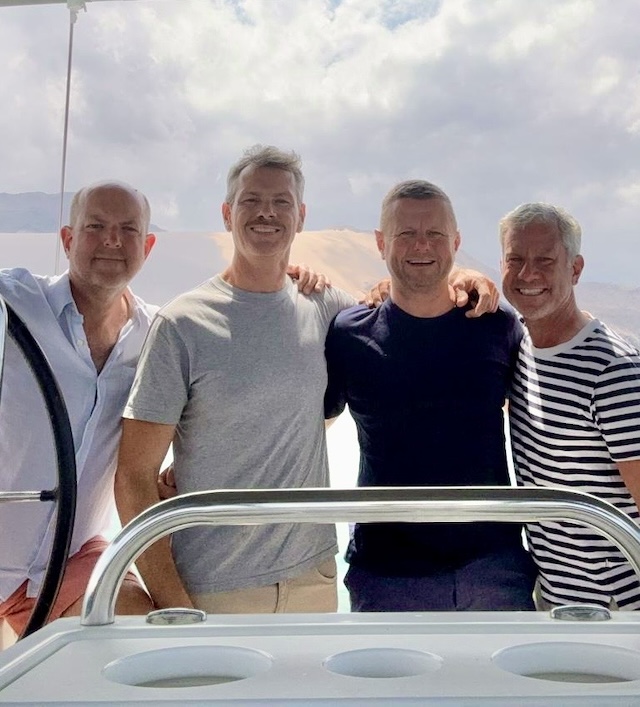
Massawa Stopover from SV Toucan
SV Toucan also recently arrived in Massawa and skipper Mike said their in-clearance experience was consistent with Noonsite’s current description. A few more boats were also expected to arrive after SV Toucan.
In regards to our passage through Bab El Mandeb and Northbound, we remained West of the traffic corridor and had no problems at all. Several other Northbound yachts departed Djibouti within 24 hours of us and they all made it safely.
One navigation note: we approached Eritrea through the South Mits’iwa Channel. Our GPS functioned normally throughout (no spoofing). The navigation lights on Shumma Island, Assarca Island and Madote Island were not visible on a clear night. I assume that none of them are working. Navionics charts appeared accurate and were adequate for navigating the channel at night.
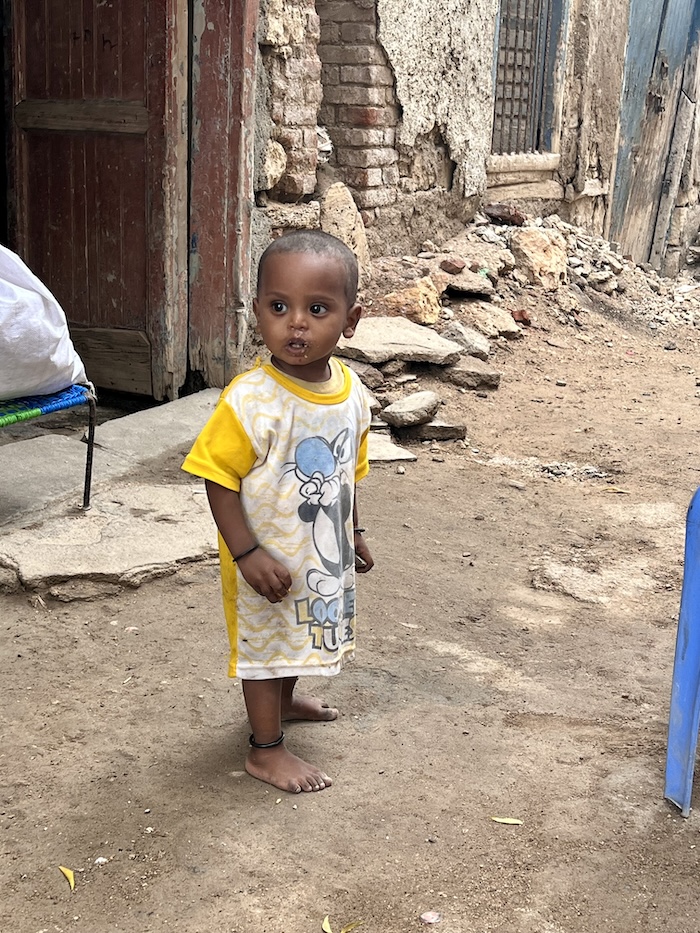
Regarding Suakin, Sudan, very significant GPS jamming has been noted by several boats, beginning about 30 nm offshore and rendering GPS navigation unreliable on the approaches to Suakin and Port Sudan. People are using Starlink position data as an alternative to GPS.
I spoke with the harbour manager (Mr Dewitt) about anchoring in Eritrean waters either before check-in or after checking out from Massawa. He strongly advised against this, particularly at this moment of heightened tensions. I was told a cruising permit is not possible at this time. The advice I received from Mr. Dewitt was to enter and depart Eritrean waters via the North and South Massawa channels, with no stops along the way. I am aware of two boats that have made stops between Massawa and Aseb with no difficulty, however, this is contrary to the advice we received. The specific stops were as recommended in the IMRAY, Red Sea Pilot (Shumma, Umm, Anfile Bay, etc).
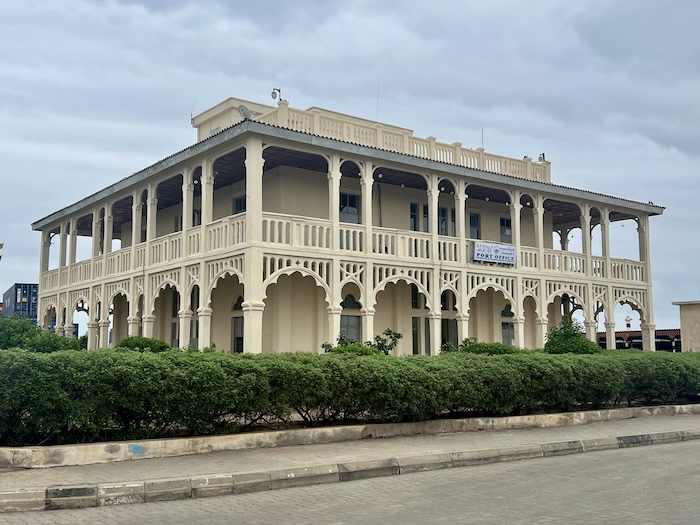
Regarding Massawa, the harbour water is the cleanest I’ve seen in an industrial port. It was easy to clean the hull and we were comfortable running the water maker inside the harbour. There is no trash floating in the water or lying about in the streets. The port authorities and local people are consistently kind and courteous. Money (USD or Euros) can be exchanged at most cafés at the same rate as the bank but with less paperwork.
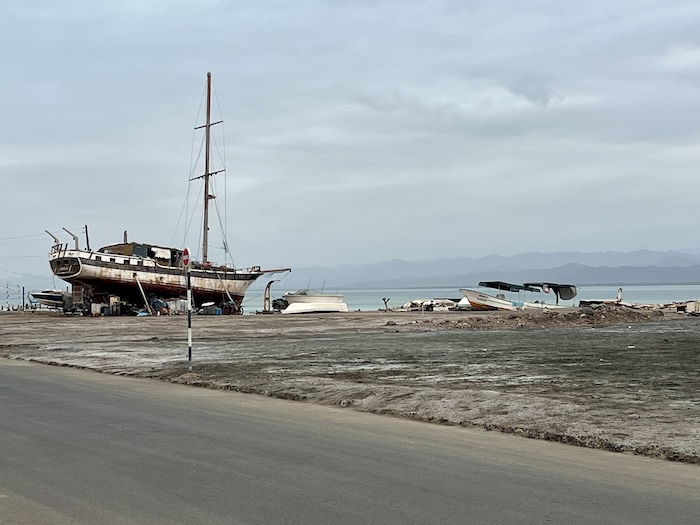
The old town is desperately poor but the streets are clean and safe to explore on foot. We were never once approached by anyone asking for money, etc. Unfortunately, diesel fuel is not available and the provisioning is limited to basics such as eggs, bread, fruits/veggies, beer and spirits. Drinking water is provided by the port authorities free of charge.
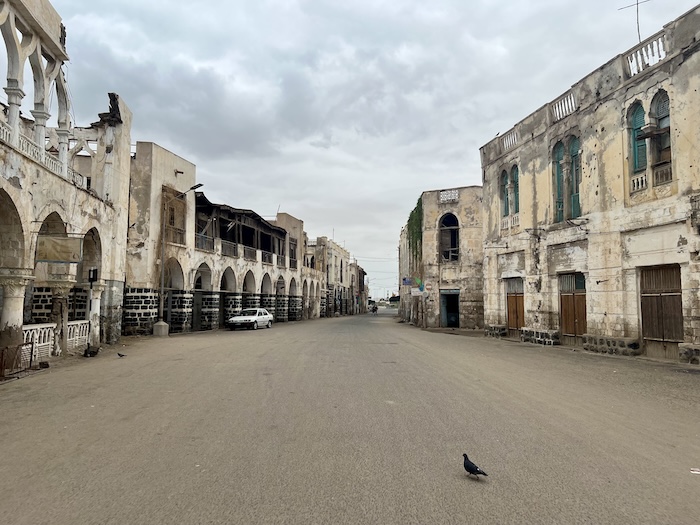
Bottom line, despite the poverty and lingering threat of war with Ethiopia, Massawa strikes me as a safe and easy stopover for visiting yachts. Best of all, we paid no fees whatsoever for our 3-day stop.
Mike S
SV Toucan
Read about Eritrea on Noonsite here.
……………………………………
© 2026 Noonsite. This content was edited by Noonsite. Do not reproduce without permission. All rights reserved.
The opinions expressed in this article and are the author’s own and do not reflect the view of Noonsite or World Cruising Club.
If you have found this information useful, become a paid member to enjoy unlimited use of Noonsite plus many other perks. Your membership fees really help our small, dedicated team keep country information up-to-date in support of cruisers worldwide. Find out more about Noonsite Membership levels and benefits here.
Subscribe to our FREE monthly newsletter: https://www.noonsite.com/newsletter/
Leave a comment
You must Login or Register to submit comments.